
THE GOVERNMENT will expand its fuel subsidy program by April to help nearly 400,000 public utility vehicle (PUV) drivers cope with the rising oil prices amid tensions in the Middle East, Malacañang announced Tuesday.
This follows the successful rollout of the initial payouts benefitting tricycle drivers in Metro Manila.
The distribution of PHP5,000 in cash assistance kicked off at ASAC Covered Court in Sta. Mesa, Manila covering around 135,196 tricycle drivers from the country’s metropolis.
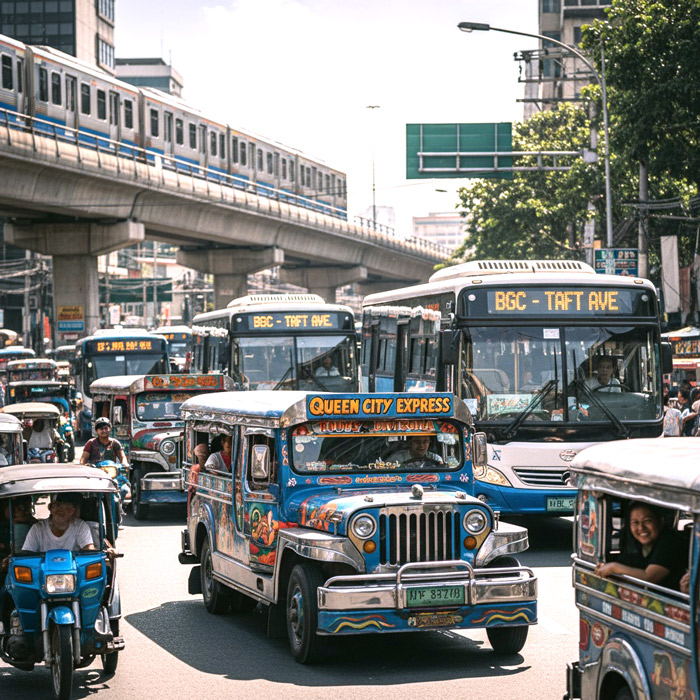
In a statement, Executive Secretary Ralph Recto said the expanded program would benefit a total of 396,352 PUV drivers in Metro Manila, including transport network vehicle services (TNVS) drivers, motorcycle taxi drivers, bus drivers and jeepney drivers.
He said the initiative, implemented under the Department of Social Welfare and Development’s (DSWD) Assistance to Individuals in Crisis Situation Program, aims to “ease the pain at the gas pump and the pinch on [the beneficiaries’] income.”
“Two wheels, three wheels, four wheels, six wheels. Basta namamasada susubukan na maisama sa programa (As long as you are driving, we will try to include you in the program),” Recto said.
“Prayoridad ng Pangulo na agad matulungan ang ating mga tsuper na biktima ng kaguluhan sa Middle East. Kaya inilarga na agad ang tulong-pasada na ito (It is the President’s priority to immediately assist our drivers affected by the Middle East conflict. That is why this transport aid was launched right away),“ he added.
Recto said the nationwide distribution of fuel subsidies would likely be conducted by April, once the DSWD, Department of Transportation and Land Transportation Franchising and Regulatory Board (LTFRB) have finalized the list of beneficiaries.
Free rides
Recto said the government would also launch a Libreng Sakay Program to help commuters, especially students and workers, save money amid the rise commodity prices.
“We are doing an inventory of what we can deploy, and who can participate,” he said.
“There will be various modalities. We can deploy government-owned vehicles, for example. Or even contract buses and designate these as fare-free rides,” he added.
Recto added that local government units with free bus services may be asked to extend operating hours.
“Ang mahalaga, pag naipon ang lahat ng mga ‘yan, malaki ang maitutulong sa mananakay (The important thing is that when all these are implemented, they will greatly help commuters),” he said. (PNA)

 20
20