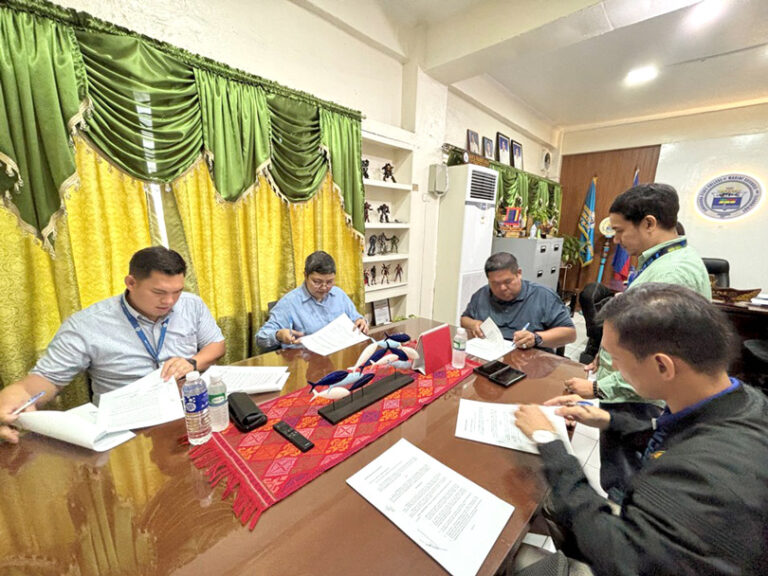


COTABATO CITY – A measure seeking to establish an orphanage village and learning center in the Special Geographic Area aims to provide institutionalized long-term care and education for children orphaned during armed conflicts in the Bangsamoro Autonomous Region.
The proposed Mujahideen Orphaned Development and Empowerment (MODE) Act of 2026 sets out a comprehensive support system for indigent children who lost one or both parents-combatants or civilian supporters-during the Bangsamoro struggle for self-determination.
Member of the Parliament Mohammad Kelie Antao, the bill’s principal author and a former Special Geographic Area administrator, said the measure seeks to move beyond short-term assistance by providing long-term protection, education, and livelihood opportunities for some of the region’s most vulnerable youth.
Beneficiaries will include orphaned children and young adults aged six to 30 from Bangsamoro communities across the region.
Under the bill, an orphanage village and learning center will be established in the municipality of Nabalawag in the Special Geographic Area. The facility will provide residential care, including safe shelter and regular access to food, clothing, and basic healthcare.
The measure mandates the delivery of both formal and non-formal education, covering basic and secondary schooling as well as alternative learning pathways for those whose studies were disrupted by war.
It also places strong emphasis on skills development through technical, vocational, and livelihood training aimed at preparing beneficiaries for employment or self-sustaining income after leaving the center.
Antao said this component is intended to reduce long-term dependency and help orphaned youth reintegrate into their communities with confidence and practical capacity.
The bill further requires the provision of counseling and psychosocial services to address trauma, grief, and emotional distress resulting from the loss of parents and prolonged exposure to violence.
Cultural and values formation programs rooted in Bangsamoro traditions and Islamic teachings are likewise included to strengthen identity, resilience, and social cohesion.
Antao said many war orphans continue to experience disrupted schooling, poverty, and untreated trauma long after hostilities have ended. Without sustained intervention, he warned, these challenges risk being passed on to future generations.
The measure frames assistance to orphans not only as a social welfare concern but as a peace and development imperative, seeking to help beneficiaries become self-reliant and productive members of society while reducing vulnerabilities that could lead to renewed instability.
The center will be jointly overseen by the Ministry of Social Services and Development and the Ministry of Basic, Higher, and Technical Education, with participation from other Bangsamoro ministries, civil society groups, and religious leaders.
Funding will come from the regional government’s annual budget, with provisions allowing grants and donations from local and international partners. The bill, introduced on first reading in the Bangsamoro Parliament, was co-authored by MPs Suwaib Oranon, Tawakal Midtimbang, Mudjib Abu, Butch Malang, and Suharto Ambodto. (PR)

 20
20